One of the first questions every business asks before starting a mobile app project is, "How much will it cost?"
The honest answer is that there is no fixed price. Mobile app development costs depend on your business goals, the features you need, the platforms you want to support, design complexity, integrations, security requirements, and ongoing maintenance.
A simple business app can require significantly less investment than a feature-rich marketplace, healthcare application, or enterprise platform.
Rather than focusing only on the initial development cost, businesses should consider the long-term value a well-designed mobile application can deliver. A successful app can improve customer engagement, streamline operations, generate new revenue, and strengthen your brand.
In this guide, we'll explain what influences mobile app development costs, typical project types, and how to budget for your next application.
Why Mobile App Development Costs Vary
Every app is different.
A restaurant ordering app, a healthcare portal, an eLearning platform, and a logistics management application all have unique requirements. Even apps within the same industry can differ greatly depending on the features and user experience.
Several factors influence the overall development cost, including:
- App complexity
- Number of screens
- Supported platforms
- UI and UX design
- Custom functionality
- Backend development
- API integrations
- Security requirements
- Testing and quality assurance
- Ongoing maintenance
Understanding these factors helps businesses make informed decisions and prioritize features that provide the highest return on investment.
Types of Mobile Apps and Their Complexity
Basic Business Apps
Basic apps are designed to provide information or simple functionality.
Examples include:
- Company profile apps
- Appointment booking apps
- Event apps
- Portfolio apps
- Restaurant menu apps
- Basic customer portals
These apps generally have fewer screens and limited backend functionality, making them suitable for businesses looking to establish a mobile presence.
Medium Complexity Apps
Medium-sized applications include more interactive features and user engagement.
Examples include:
- Fitness apps
- Educational platforms
- Service booking apps
- Customer loyalty apps
- Real estate apps
- Business productivity apps
These projects often require user accounts, notifications, payment integration, analytics, and cloud databases.
Complex Enterprise Applications
Enterprise applications involve advanced business logic and large-scale infrastructure.
Examples include:
- Healthcare applications
- FinTech platforms
- Logistics systems
- CRM applications
- Marketplace apps
- Social networking apps
- Multi-vendor commerce platforms
These projects usually require extensive backend development, high-level security, advanced integrations, and scalable cloud architecture.
Mobile App Development Cost Overview in 2026
Professional mobile app development typically falls into these ranges. These are starting points based on common project types, not fixed quotes for every business.
| App Type | Typical Starting Investment | Best For |
|---|---|---|
| MVP App | Starting at $5,000 | Startups validating an idea with core features |
| Business App | Starting at $10,000 | Growing companies that need advanced functionality |
| Enterprise App | Custom quote | Complex platforms with security, scale, and integrations |
For a full breakdown of packages, see our mobile app development pricing.
Factors That Affect Mobile App Development Costs
Platform Selection
One of the biggest decisions is choosing the platforms your app will support.
Businesses can develop for:
- Android
- iOS
- Both Android and iOS
- Cross-platform frameworks
Developing separate native applications for Android and iOS generally requires more development time than using a cross-platform framework.
The right choice depends on your target audience, business objectives, and available budget.
UI and UX Design
A mobile application's success depends heavily on user experience.
Professional design includes:
- User research
- Wireframes
- User journey mapping
- Interactive prototypes
- Custom interface design
- Accessibility considerations
Investing in quality UI and UX design often improves user retention and customer satisfaction. Explore UI/UX design pricing to understand how design fits into your overall budget.
Custom Features
The number and complexity of features significantly affect development costs.
Common features include:
- User registration and login
- Social sign-in
- User profiles
- Search and filtering
- Push notifications
- In-app messaging
- File uploads
- Offline functionality
- QR code scanning
- GPS and location services
- Camera integration
- Biometric authentication
Advanced functionality requires more development, testing, and maintenance.
Backend Development
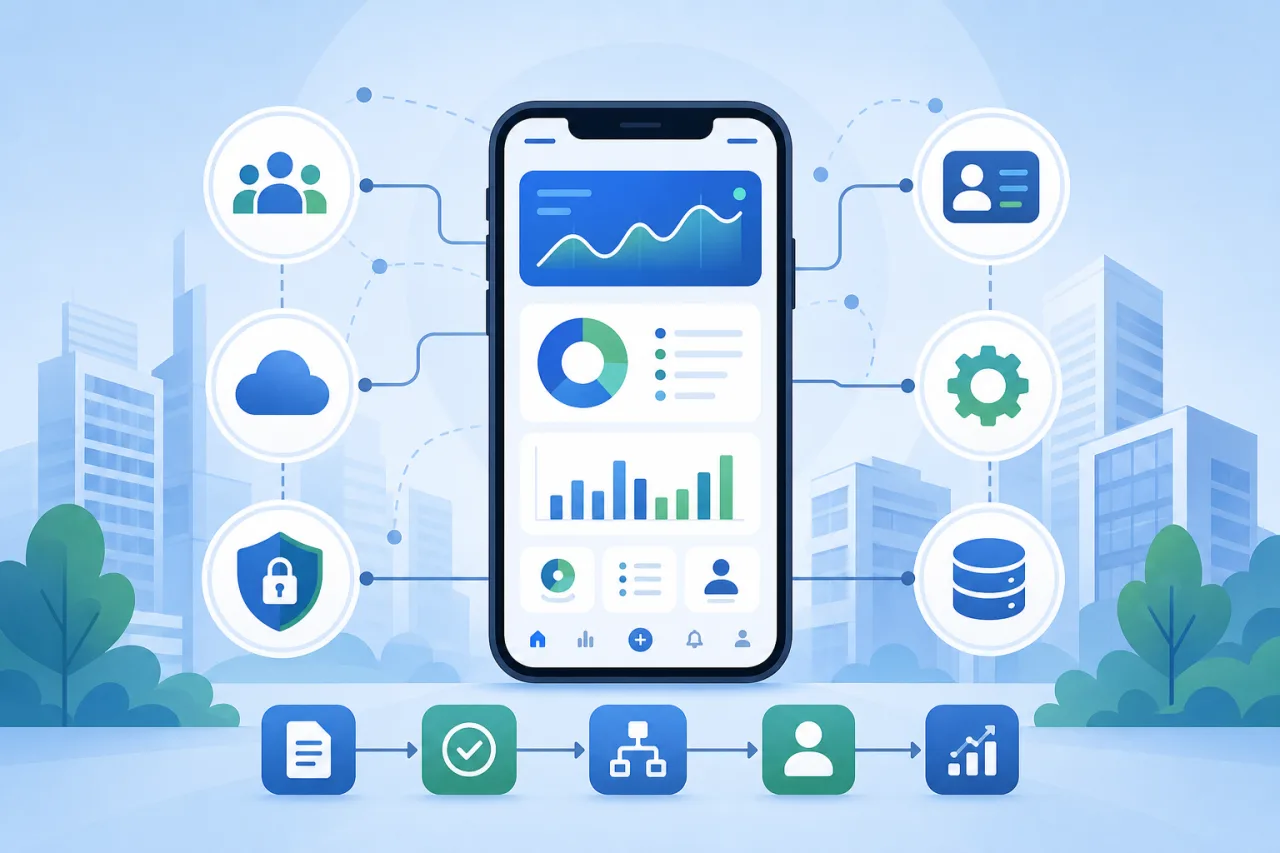
Many mobile applications require a backend system to manage data, authentication, and business processes.
Backend development may include:
- Cloud infrastructure
- Databases
- APIs
- Authentication
- Admin dashboards
- Reporting tools
- File storage
- User management
Apps with complex backend requirements naturally involve higher development costs.
Third-Party Integrations
Businesses often need their mobile app to connect with existing systems.
Common integrations include:
- Payment gateways
- CRM platforms
- ERP systems
- Email marketing software
- Analytics platforms
- Maps
- Shipping providers
- Chat services
- Calendar systems
Each integration adds development and testing time.
Security Requirements
Security should never be an afterthought.
Industries such as healthcare, finance, and education require stronger security measures, including:
- Data encryption
- Secure authentication
- Multi-factor authentication
- Role-based permissions
- Secure API communication
- Regulatory compliance
Higher security standards typically increase development complexity.
Testing and Quality Assurance
A successful mobile app must work reliably across different devices and operating systems.
Quality assurance includes:
- Functional testing
- Performance testing
- Device compatibility testing
- Security testing
- Usability testing
- Bug fixing
- Regression testing
Comprehensive testing helps reduce issues after launch and improves the overall user experience.
Native vs Cross-Platform Development
Businesses often ask whether they should choose native or cross-platform development.
Native Development
Native apps are built specifically for Android or iOS.
Advantages include:
- Maximum performance
- Platform-specific features
- Better optimization
- Superior user experience
Native development is often recommended for apps with demanding performance requirements.
Cross-Platform Development
Cross-platform frameworks allow developers to build one application that runs on both Android and iOS.
Benefits include:
- Faster development
- Lower development costs
- Easier maintenance
- Consistent user experience
- Shared codebase
For many businesses, cross-platform development provides an excellent balance between cost and performance. Learn more about React Native development and Flutter development to compare approaches.
Additional Costs to Consider
Development is only one part of the total investment.
Businesses should also budget for:
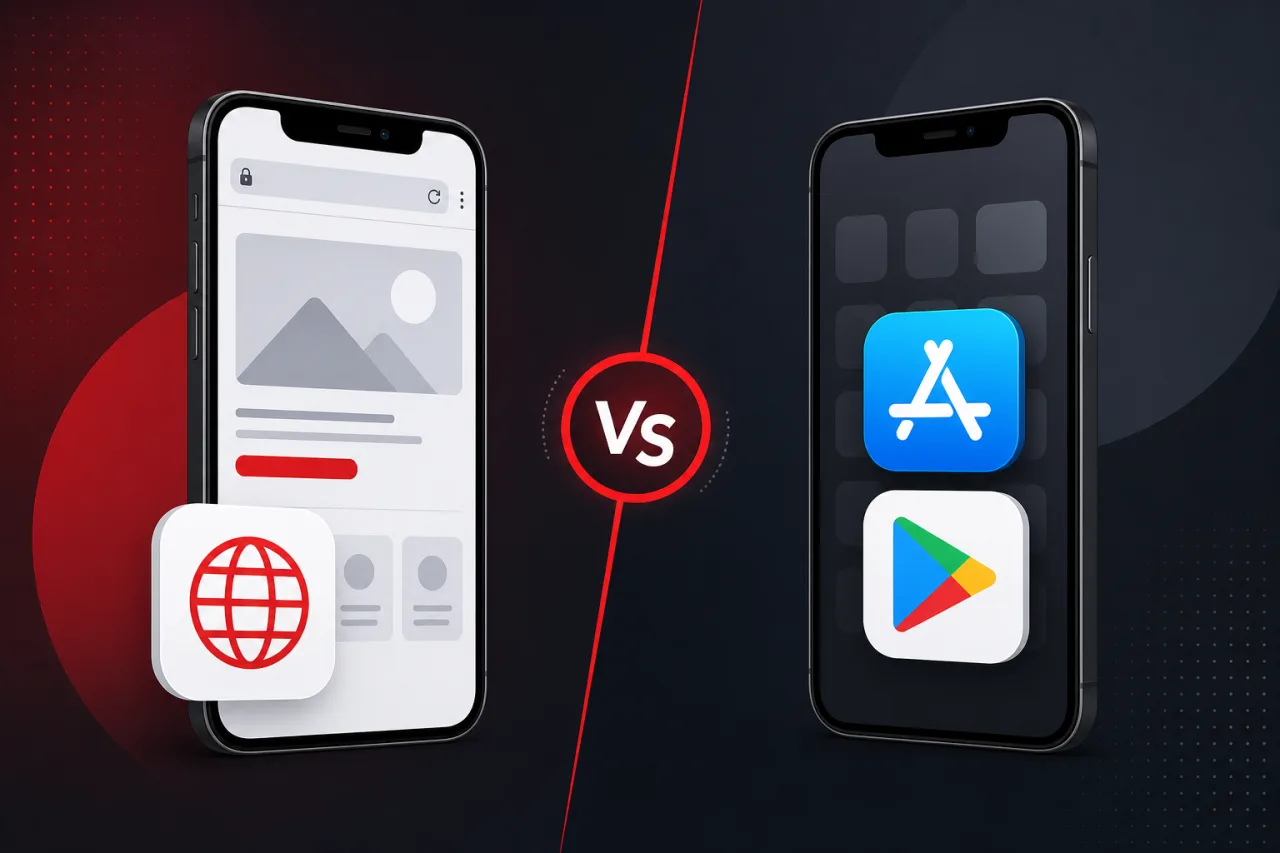
- App Store and Google Play publishing
- Cloud hosting
- Domain and API services
- Push notification services
- Ongoing maintenance
- Security updates
- Feature enhancements
- Performance monitoring
- Analytics tools
- Customer support
Planning for these recurring expenses helps ensure long-term success.
How to Reduce Development Costs Without Sacrificing Quality
Businesses often assume reducing costs means removing quality, but there are smarter approaches.
Consider these strategies:
Start with an MVP
Develop a Minimum Viable Product (MVP) that includes only the essential features.
Launching an MVP allows you to validate your idea, gather user feedback, and make informed decisions before investing in additional functionality. Our MVP development services help businesses launch faster with the right feature set.
Prioritize Features
Not every feature needs to be included in the first release.
Separate features into:
- Essential
- Important
- Future enhancements
This approach helps control budgets while delivering value to users.
Choose the Right Technology
Selecting the right technology stack can significantly reduce development time and maintenance costs.
For many business applications, cross-platform development offers excellent value.
Work with an Experienced Development Team
An experienced development partner can help avoid costly mistakes, improve planning, and recommend scalable solutions that reduce future redevelopment costs.
Questions to Ask Before Hiring a Mobile App Development Company
Before selecting a development partner, ask questions such as:
- Have you built apps similar to mine?
- Do you provide UI and UX design?
- Which technologies do you recommend?
- Can the app scale as my business grows?
- Will you help publish the app?
- Do you provide post-launch support?
- How do you handle testing and security?
- What is included in the project scope?
Clear communication during the planning stage helps avoid misunderstandings later.
Why Businesses Choose Kodu Media
At Kodu Media, we build mobile applications that combine modern design, scalable architecture, and business-focused functionality.
Our mobile app development services include:
- Android app development
- iOS app development
- Cross-platform app development
- Flutter development
- React Native development
- UI and UX design
- API development and integrations
- Cloud backend development
- App modernization
- Ongoing maintenance and support
We focus on building applications that not only look great but also solve real business problems and deliver measurable value. Explore our mobile app development company services to see how we approach planning, design, and launch.
Final Thoughts
Mobile app development is an investment in your business's future.
The total cost depends on your goals, features, complexity, and long-term vision. Instead of searching for the lowest price, focus on building an application that supports growth, improves customer experiences, and delivers lasting value.
Careful planning, the right technology choices, and an experienced development partner can help you maximize your investment while reducing unnecessary costs.
If you're planning a new mobile app, Kodu Media can help you define your requirements, recommend the best technology stack, and build a scalable solution tailored to your business.
Contact our team today for a free consultation and receive a customized mobile app development proposal based on your business goals.
Frequently Asked Questions
How much does it cost to build a mobile app?
The cost varies depending on the app's complexity, supported platforms, features, integrations, and design requirements. Every project is unique, so a consultation is the best way to estimate the investment.
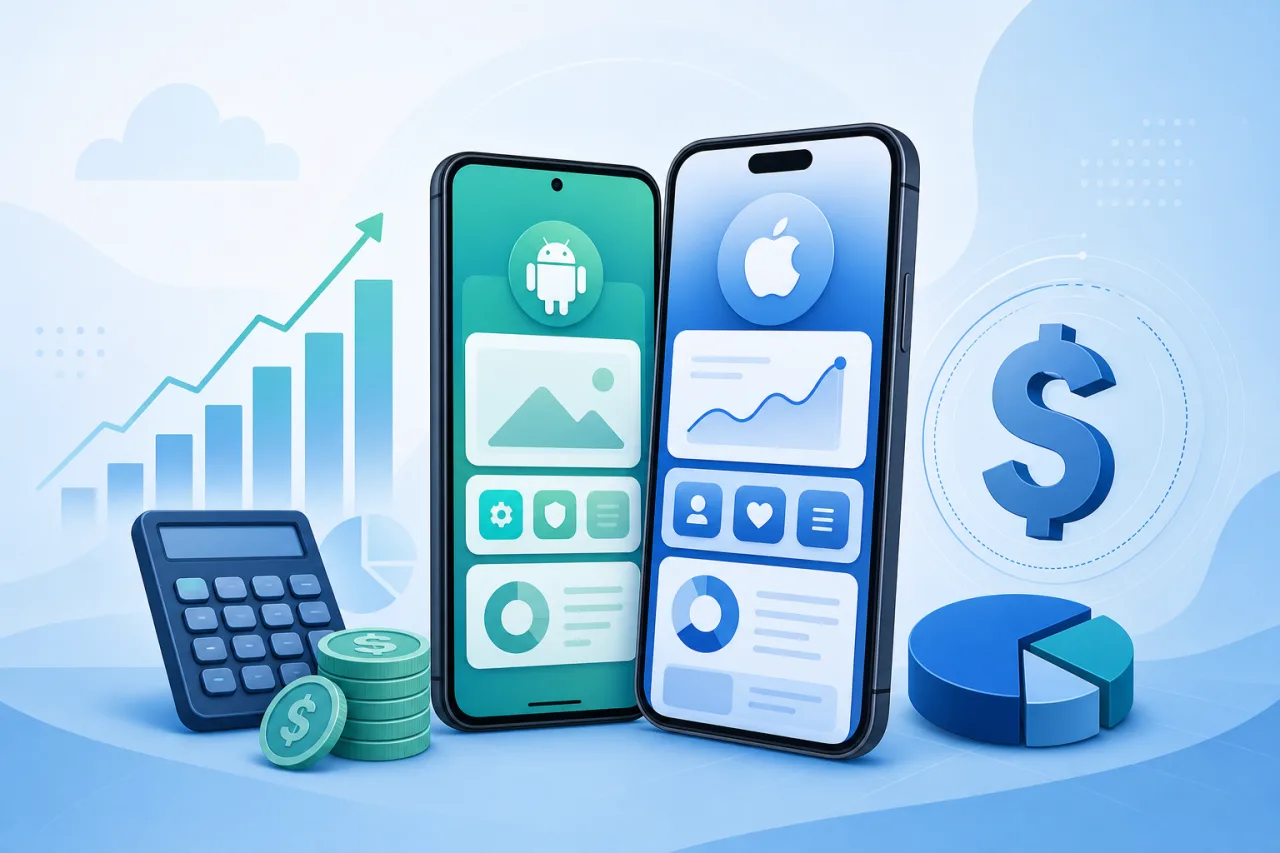
Is Android or iOS development more expensive?
Development costs are generally similar. Building for both platforms requires more work unless a cross-platform framework is used.
Should I build an MVP first?
Yes. An MVP helps validate your idea, reduce initial costs, and gather real user feedback before expanding the application.
How long does it take to develop a mobile app?
Timelines depend on the project's complexity. Simple apps may take a few months, while enterprise applications often require longer development and testing cycles.
Do I need ongoing maintenance after launch?
Yes. Regular updates, security improvements, operating system compatibility, bug fixes, and feature enhancements are essential for keeping your app reliable and competitive.
Related Services
- Mobile App Development Company
- MVP Development Company
- Custom Software Development Company
- API Development and Integration Services
- UI/UX Design Services
- SaaS Development Company
- React Native Development
- Flutter Development
- WooCommerce Mobile App Development
- How to Build an AI-Powered eCommerce Mobile App